


What Is Passover (Pesach)?
Passover, or “Pesach” in Hebrew, is a major Jewish holiday that commemorates the Israelites’ liberation from slavery in ancient Egypt. It is observed each spring for seven days in Israel and eight in the rest of the world, centering on a home-based ritual meal called the Seder, storytelling from the Haggadah, and a focus on freedom, justice, and collective memory.
Passover invites participants to see themselves as if they personally experienced the Exodus, making its lessons immediate and enduring. Today, the path from despair to hope is one that Jews continue to walk — and JDC is there to support them every step of the way.
Celebrate Jewish life around the globe by staying connected to JDC.
Why Is Passover (Pesach) Important?
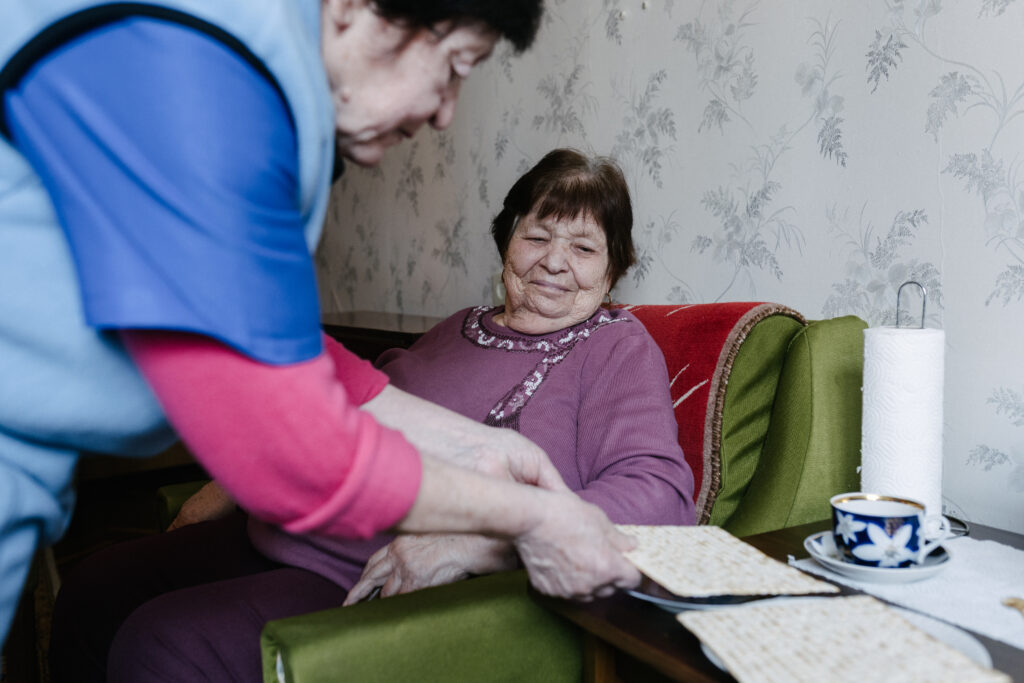
Passover preserves the foundational story of Jewish peoplehood: a journey from oppression to freedom through the Exodus. As one of Judaism’s central biblical festivals, it affirms core values — faith, gratitude, moral responsibility, and communal solidarity — while strengthening bonds across generations.
Education and continuity are at the heart of the holiday. Families and friends gather to teach the next generation about history and identity, ask questions, and draw meaning from ritual foods and symbols. The themes of freedom, human dignity, resilience, and hope resonate far beyond the Jewish community, inspiring reflection on justice and compassion in every era. This is a key part of Passover: transforming memory into moral responsibility.
Passover is ultimately a celebration of liberation. Its rituals encourage empathy for those who are vulnerable today — and spark actions that bring greater freedom into the world tomorrow.
What Is the History of Passover (Pesach)?
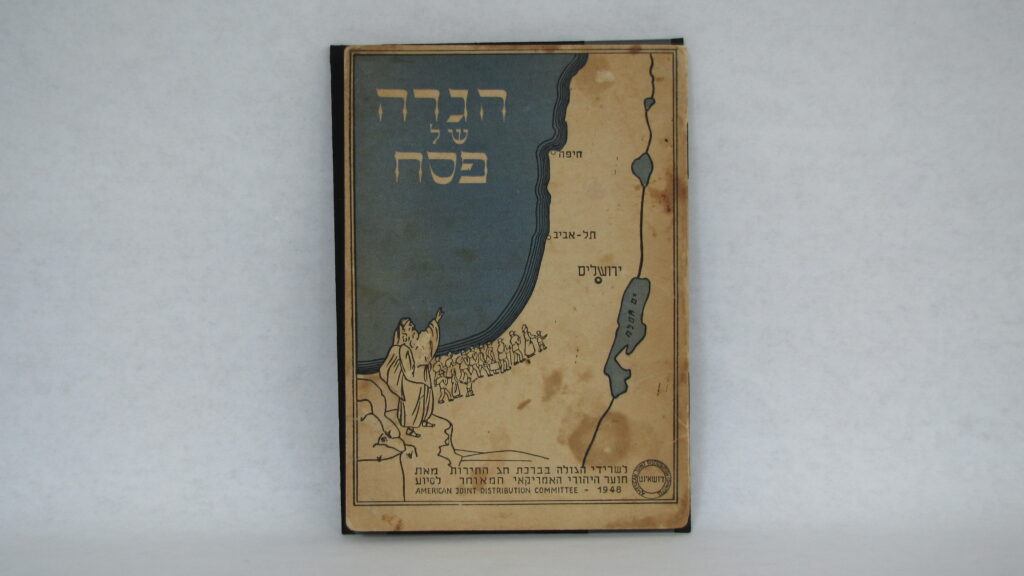
Passover’s origins are rooted in the Hebrew Bible, primarily in the Book of Exodus. The narrative recounts the Israelites’ enslavement in Egypt and how God, through Moses, confronted Pharaoh with signs and plagues. During the final plague, the Israelites marked their doorposts so the destructive force would pass over their homes, paving the way for their release.
The Exodus story has enduring implications. It establishes a covenantal relationship between God and the Israelites, frames the pursuit of justice as a sacred duty, and enshrines memory as an ethical practice.
Observance of Passover has evolved over the centuries. In ancient times, a Passover sacrifice was offered in the Temple in Jerusalem. After the Temple’s destruction, Jewish communities preserved the holiday through home-based rituals, the Seder, and the Haggadah. Across centuries and continents, melodies, customs, and languages have enriched Passover, reflecting the diversity of Jewish life while keeping the core story intact.
How Is Passover (Pesach) Celebrated?
Passover blends home and synagogue practices. In the weeks leading up to the holiday, households remove chametz (leavened products) and prepare special foods. During the holiday, families gather for the Seder — typically on the first night, and in many communities also the second — where the Exodus story is retold with the help of symbolic foods and ritual steps outlined in the Haggadah.
The Seder is the heart of the Passover experience. It follows an established order that includes blessings over wine, eating matzah and maror (bitter herbs), dipping vegetables in salt water, and sharing a festive meal. Each food conveys meaning: matzah symbolizes both the bread of affliction and the haste of departure; maror evokes the pain of slavery; and charoset, a sweet mixture of apples and wine in Ashkenazi tradition — but dates and honey in Sephardic tradition —recalls the mortar used by enslaved laborers.
Reading the Haggadah is central to the experience. The text outlines the steps of the Seder, presents the Four Questions traditionally asked by the youngest participant, and offers narratives, songs, and reflections that guide participants from slavery to freedom. Many families include additional readings to connect the ancient themes to contemporary issues, ensuring that the story remains vibrant and relevant.
- Core rituals: kiddush over wine, washing hands, dipping greens, breaking the middle matzah, telling the story, blessing and eating matzah and maror, festive meal, and concluding songs.
- Symbolic items: Seder plate with a shank bone or alternative symbol; egg; maror ; charoset; karpas — a vegetable, frequently parsley, that is dipped in salt water and eaten; and often hazeret — a second bitter herb that is often made or romaine lettuce, three matzot, salt water, and four cups of wine or grape juice.
- Educational elements: the Four Questions, the Four Children, and prompts that encourage discussion, curiosity, and multiple perspectives.
When Is Passover (Pesach)?
Passover begins on the 15th day of the Hebrew month of Nisan, which typically falls in March or April on the Gregorian calendar. Because the Hebrew calendar is lunisolar, exact dates shift each year. Communities consult published calendars to determine local start times and ritual observances.
In Israel and among many Reform communities, Passover lasts seven days; in most Orthodox and Conservative communities outside Israel, it lasts eight days. The first days are festivals with special prayers and restrictions on work, the middle days are known as intermediate days or Hol Hamoed, and the holiday ends with festivals, concluding with readings and rituals that reflect on redemption and hope.
This calendar structure underscores both agricultural and historical dimensions, linking the spring season with renewal and growth, and anchoring personal and communal memory of liberation.
Here are the dates for Passover, starting before sundown and ending after nightfall each year:
2026: April 1-9
2027: April 21-29
2028: April 10-18
2029: March 30-April 7
2030: April 17-25
What Is Chametz and Why Is It Prohibited?

Chametz refers to leavened grain products made from wheat, barley, spelt, oats, or rye that have come into contact with water and fermented. During Passover, observant Jews avoid eating, owning, or benefiting from chametz. Instead, they eat matzah, which is mixed and baked quickly to prevent leavening.
Preparing for Passover often includes thorough cleaning to remove chametz from the home, arranging a symbolic sale of remaining chametz to a non-Jewish person for the duration of the holiday, and performing rituals such as bedikat chametz (a candlelit search the night before Passover) and biur chametz (burning or disposing of what is found).
Avoiding chametz carries symbolic meaning. It serves as a tangible reminder of humility and readiness for change — stripping away excess, slowing down, and focusing on essentials. By choosing matzah over leaven, participants embody the urgency and simplicity of the Exodus and renew their commitment to spiritual growth, clarifying why Passover is important on a personal level.
How Is Passover (Pesach) Celebrated Today?
Contemporary Passover observance blends deep tradition with creative expression. Many families incorporate modern commentaries, inclusive language, and readings that highlight current struggles for freedom. Vegetarian, vegan, and gluten-free adaptations are common, as are diverse musical traditions and multilingual Haggadot that reflect global Jewish culture.
The holiday’s message remains highly relevant. Its themes resonate with conversations about civil rights, refugee experiences, and the pursuit of equity. Communities often organize service projects or educational programs during the season, linking memory with action and grounding ritual in the work of improving the world.
Interfaith participation is also increasingly common. Guests from different backgrounds are welcomed to Seders, where hosts explain rituals, answer questions, and encourage dialogue. This spirit of hospitality aligns with the Haggadah’s invitation to “let all who are hungry come and eat,” transforming the table into a space of learning, solidarity, and shared humanity. For many, these inclusive gatherings illuminate the meaning of Passover today.
Passover (Pesach) Videos
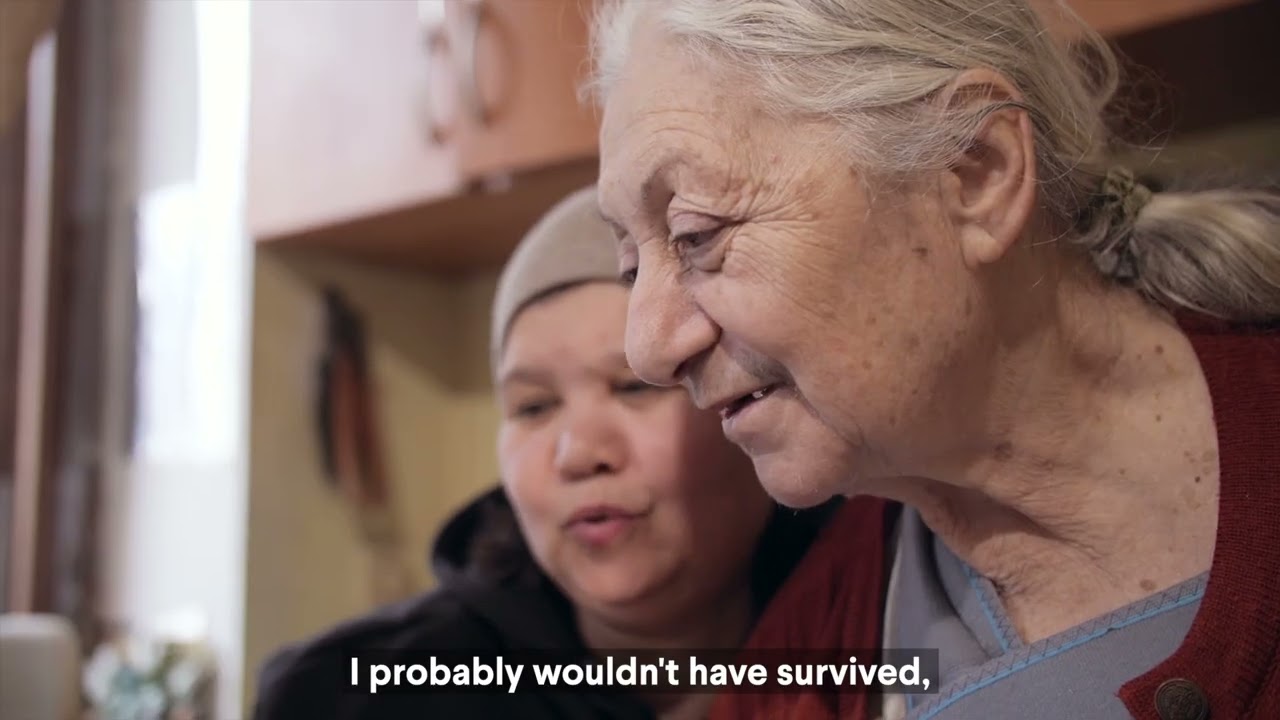
“Like a Phoenix”: Victoria’s Story

“Let My People Go”: A Passover Song from Ukraine

Vienna Passover (Excerpts) 1947
“Like a Phoenix”: Victoria’s Story
Share
“Let My People Go”: A Passover Song from Ukraine
Share
Vienna Passover (Excerpts) 1947
Share


Partners


Give With Confidence


