


What Is Shabbat?
Shabbat is the weekly Jewish day of rest and spiritual renewal. Traditionally, it starts at sunset on Friday and ends after nightfall on Saturday, marking a sacred span of time dedicated to rest and holiness. Rooted in ancient tradition and observed across diverse Jewish communities, Shabbat invites individuals and families to pause, reflect, and reconnect.
Shabbat is about fostering Jewish resilience, community, and continuity — three pillars of JDC’s century-plus mission around the globe.
Celebrate Jewish life around the globe by staying connected to JDC.
Why Is Shabbat Important?
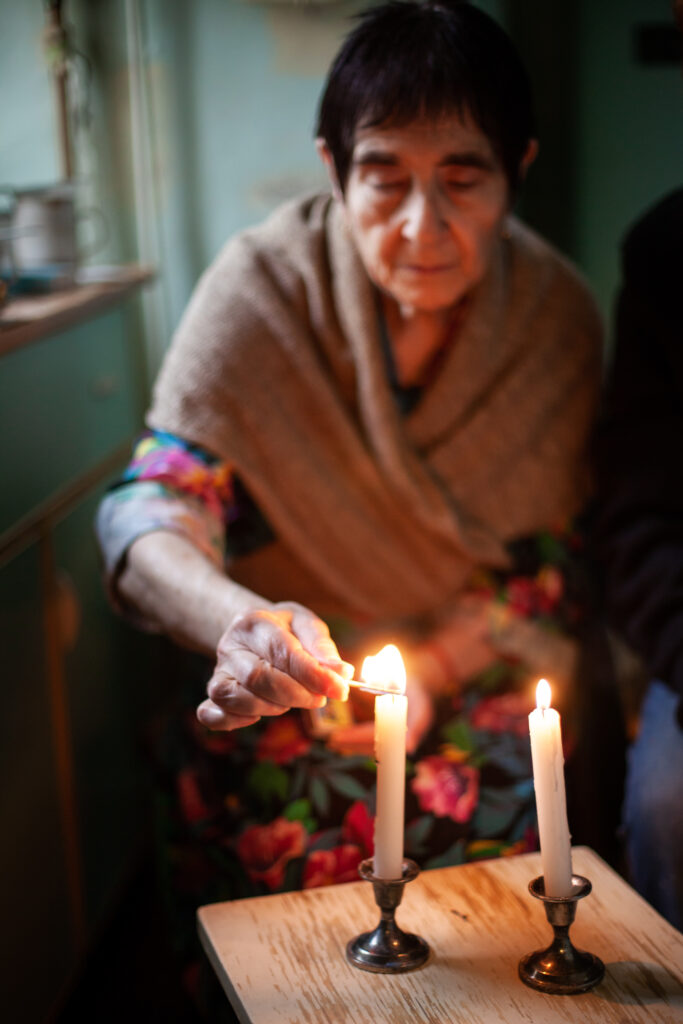
Shabbat offers a sacred pause that affirms the dignity of rest and the value of reflection, reminding us that worth is measured not only by productivity, but also by presence, faith, and connection. Each week, Shabbat invites us to elevate ordinary moments into spiritual experiences and to reorient our lives toward gratitude and meaning.
Rest is central. Stepping back from work and devices creates space for introspection, conversation, and calm. This mindful break promotes mental clarity and emotional wellbeing, welcoming peace into homes and hearts. Rituals — lighting candles, blessing wine and bread, and engaging in prayer — transform routine into sanctity, anchoring the week with intention and care through Shabbat blessings recited at home and in community.
As a spiritual practice, Shabbat encourages engagement with enduring Jewish values such as compassion, justice, and joy. It strengthens bonds with family and community, reinforces identity, and sets a rhythm that sustains the soul. Many find its power in collective song and prayer, especially during the Kabbalat Shabbat service on Friday evening and in the blessings that mark each stage of observance.
Here are some key reasons Shabbat is significant to Jewish life:
- It provides rest that renews body and spirit.
- It offers a space for reflection that enriches personal growth.
- It involves rituals that sustain Jewish identity.
- It promotes a sense of community.
- It brings sanctity into daily life through Shabbat blessings.
What’s the History of Shabbat?

Shabbat’s origins are found in the Torah, where the seventh day is sanctified following creation. The commandment to “remember” (zachor) and “guard” (shamor) the Sabbath appears in the Ten Commandments, underscoring its enduring significance. From biblical times onward, Shabbat has served as a covenantal sign between the Jewish people and God — a testament to freedom, dignity, and spiritual purpose, often expressed through Shabbat blessings that affirm holiness and gratitude.
Over centuries, practices evolved while core values remained constant. Rabbinic teachings clarified behaviors that honor rest and holiness, shaping customs around prayer, study, and refraining from labour. Communities adapted traditions to local contexts, yet the essence — celebration, rest, and sanctification — continued to guide observance. Kabbalat Shabbat emerged as a liturgical welcome to the day, blending poetry and song to greet its arrival.
Cultural influences enriched Shabbat. Melodies, foods, and languages reflect the diversity of Jewish life, with Sephardi, Ashkenazi, Mizrahi, and other communities contributing distinctive liturgy, culinary staples, and customs. Through migration and change, Shabbat has been a steady anchor, offering continuity even amid adversity.
What Are Some Shabbat Traditions?
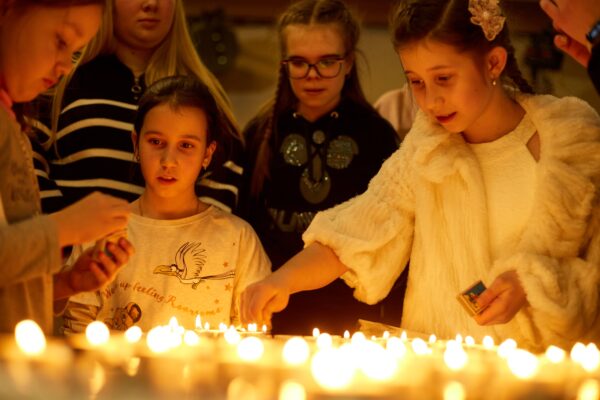
Shabbat begins at sundown on Friday with candle lighting, often followed by blessings over wine (Kiddush) and bread (hamotzi). Friday night prayers, including Kabbalat Shabbat, welcome the day’s holiness with song and poetry. Saturday morning services continue the rhythm of prayer and study, and Shabbat concludes with Havdalah, a multisensory ritual that gently transitions back to the weekday.
Meals are central, bringing loved ones together for nourishment, conversation, and rest. While traditional dishes vary — challah, roasted chicken, cholent, and vibrant salads — the focus is on sharing and hospitality. Singing zemirot (table songs) and discussing weekly Torah teachings add depth and joy, weaving learning into the warmth of the table.
Family and community sit at the heart of Shabbat. Many gather in synagogues, join communal meals, or host neighbors. Children participate through blessings and songs, absorbing values of kindness, gratitude, and respect. The weekly cadence fosters togetherness, bridging generations and strengthening communal bonds. Kabbalat Shabbat services set the tone, creating an uplifting atmosphere that carries through the entire day.
Common elements of Shabbat observance include:
- Candle lighting to welcome the Sabbath
- Kiddush and challah blessings
- Prayer services and Torah reading
- Communal meals and hospitality
- Havdalah to close Shabbat with light, spice, wine, and song
- Shabbat blessings recited at home and in synagogue
Shabbat Today
Modern Shabbat practice provides a much-needed break from the stresses of modern life. Many Jews turn off their smartphones, share meals, participate in services, or enjoy quiet reflection. Whether in large cities or small communities, Shabbat provides a steady rhythm that counters the week’s pace and creates room for rest and reconnection.
In a fast-paced world, Shabbat can offer lasting benefits. It restores attention through mindful rest, grounds identity through meaningful ritual, and deepens belonging through shared experience. Shabbat blessings, recited from candle lighting to Havdalah, reinforce gratitude and intention. Dedication to what matters most — relationships, spirituality, and purpose — nurtures resilience and hope week after week.
Shabbat Stories
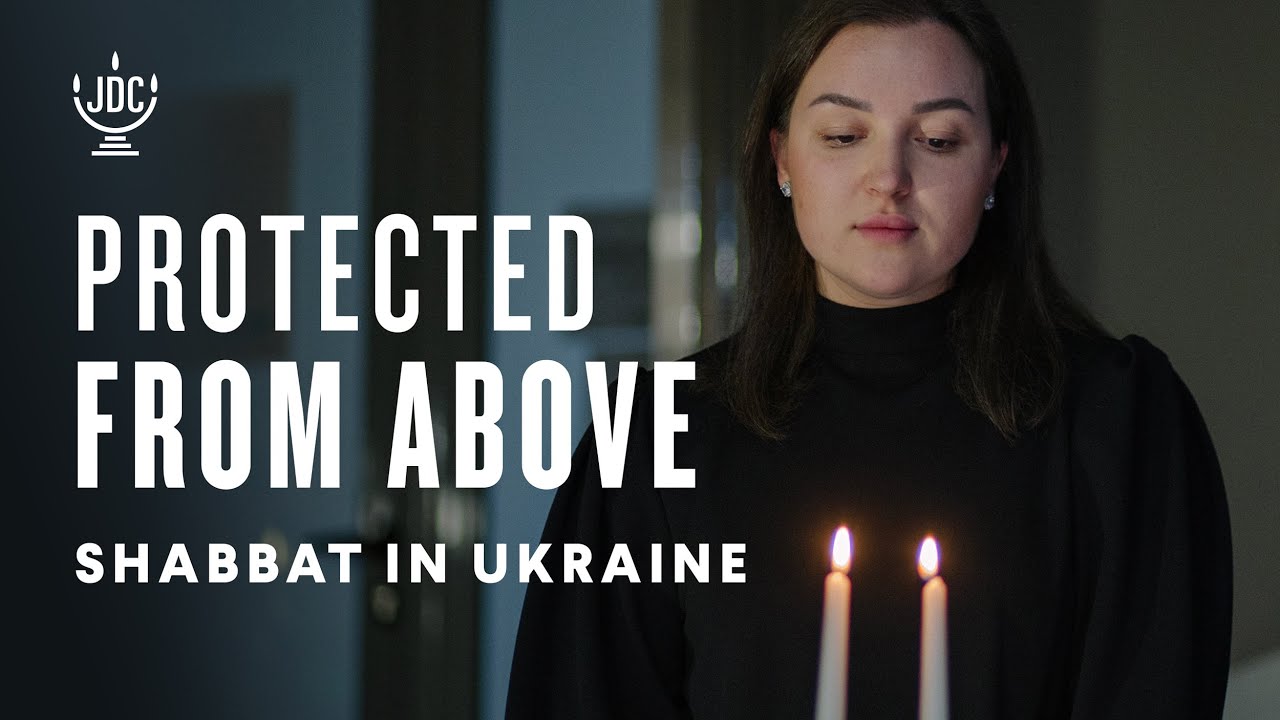
“Protected From Above” : Shabbat in Ukraine
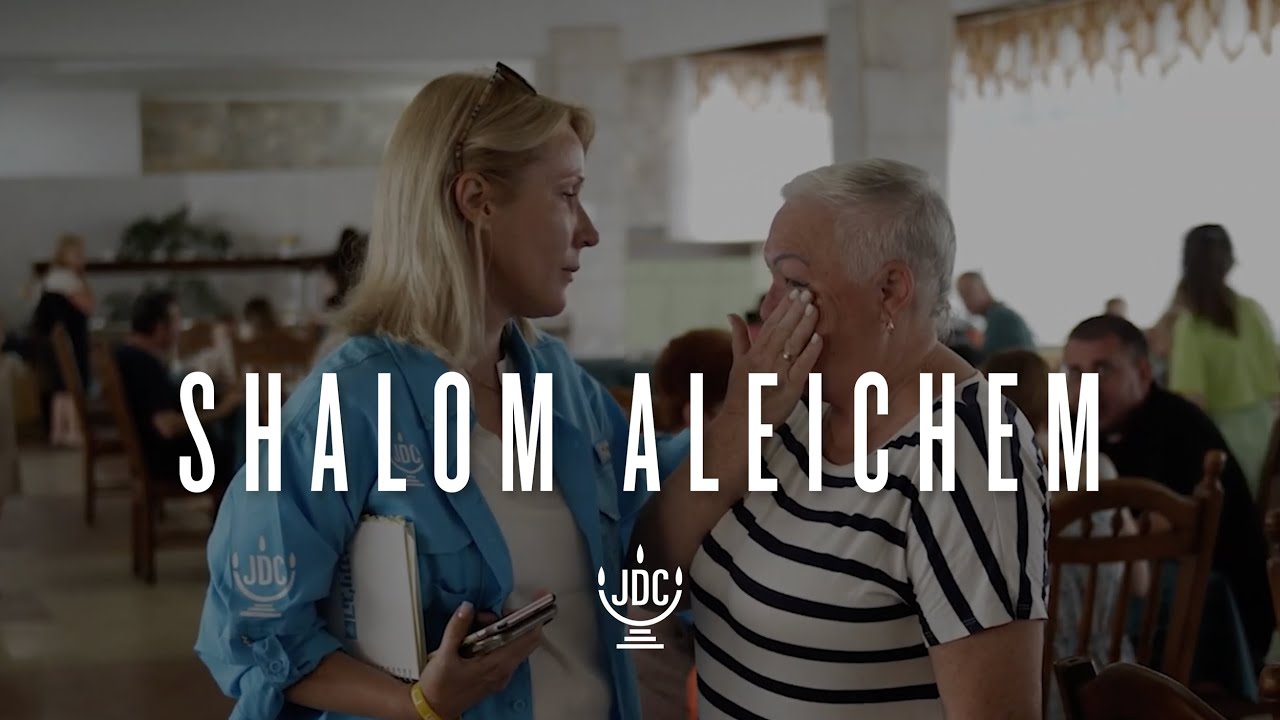
Shalom Aleichem

“Keeping Us Strong”: A Shabbat Message from Israel
“Protected From Above” : Shabbat in Ukraine
Share
Shalom Aleichem
Share
“Keeping Us Strong”: A Shabbat Message from Israel
Share
Partners


Give With Confidence


