


Exploring Shemini Atzeret
and Simchat Torah
Shemini Atzeret and Simchat Torah are pivotal Jewish festivals that conclude the High Holidays and the yearly Torah reading cycle. In Israel, they are celebrated on the same day, while in the rest of the Jewish world, Simchat Torah follows Shemini Atzeret, acting as a “second day” to the festival like other Jewish celebrations, which have a second day only in the diaspora. These holidays highlight three key themes at the heart of JDC’s life-saving work around the globe — gratitude, joy, and Jewish unity.
Let’s uncover the traditions, customs, and ways to celebrate Shemini Atzeret and Simchat Torah.
Celebrate Jewish life around the globe by staying connected to JDC.
Shemini Atzeret and Simchat Torah: An Overview
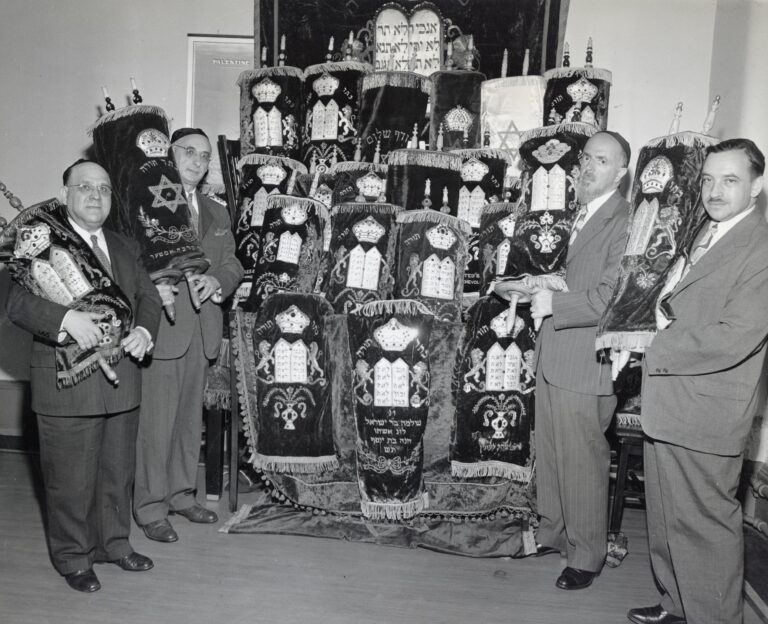
Shemini Atzeret follows the festival of Sukkot and marks the harvest season’s end, encouraging expressions of gratitude for its abundance. Shemini Atzeret combines solemnity with joy, prompting reflection on one’s relationship with God and the world.
Whereas Shemini Atzeret invites self-examination and prayer, Simchat Torah (literally, “The Joy of the Torah”) is a vibrant celebration of the Torah, filled with singing, dancing, and jubilation over completing this sacred text. This day is marked by spirited celebrations and the public unrolling of the Torah scrolls. It underscores the Torah’s central role in Jewish life, reinforcing continuity and connection to Jewish heritage.
Traditions and Customs of Shemini Atzeret and Simchat Torah
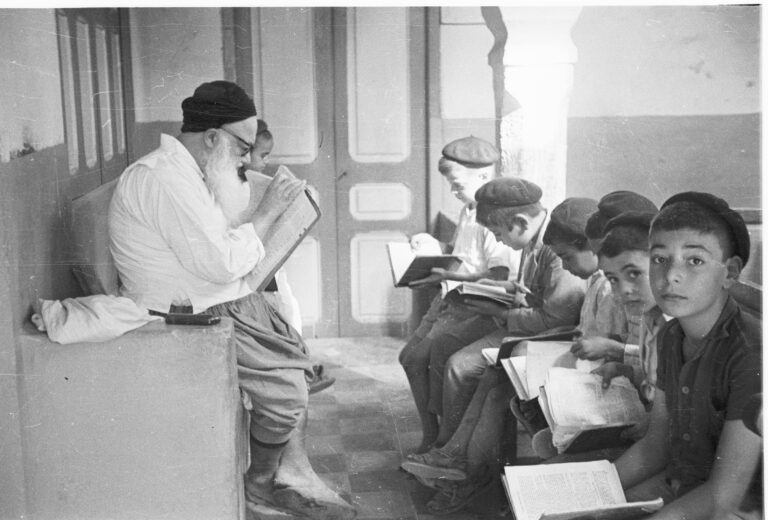
During Shemini Atzeret, Jews traditionally recite Yizkor, the memorial prayer for deceased relatives. This day also concludes Sukkot, with prayers for rain marking the new agricultural year. The solemnity of Shemini Atzeret transitions into the celebration of Simchat Torah, which celebrates the Torah reading cycle’s end.
During Simchat Torah, congregants participate in hakafot (processions around the synagogue), expressing joy and reverence for the Torah. Children receive sweets, symbolizing the Torah’s sweetness. The final portion of Deuteronomy is read, followed immediately by Genesis’s first section, signifying Torah study’s endlessly renewing nature.
Observance of Shemini Atzeret and Simchat Torah can vary by community, with unique customs reflecting local traditions. In some Sephardic communities, unique melodies and festive meals enrich the celebrations.
Celebrating Shemini Atzeret and Simchat Torah at Home
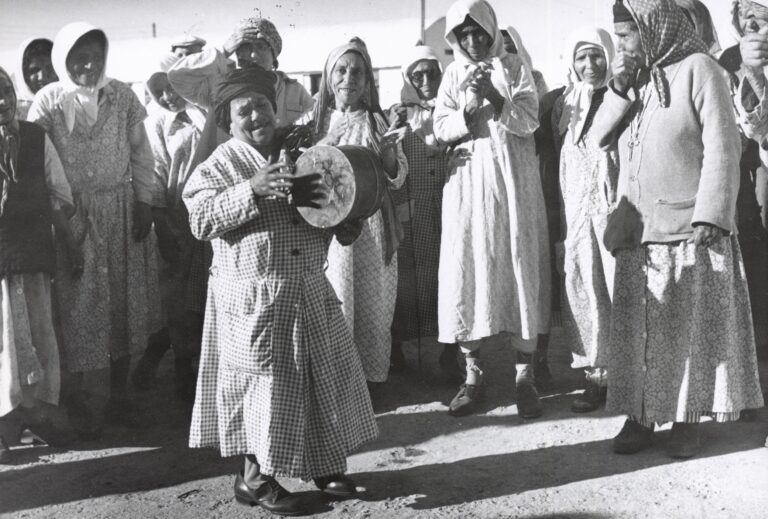
Shemini Atzeret and Simchat Torah offer a chance for families to unite, celebrating the harvest’s end and the Torah reading cycle’s completion. Observing these holidays at home can be meaningful. For Shemini Atzeret, consider a special meal with seasonal foods, symbolizing harvest gratitude, and enhance the atmosphere with autumn-themed decorations.
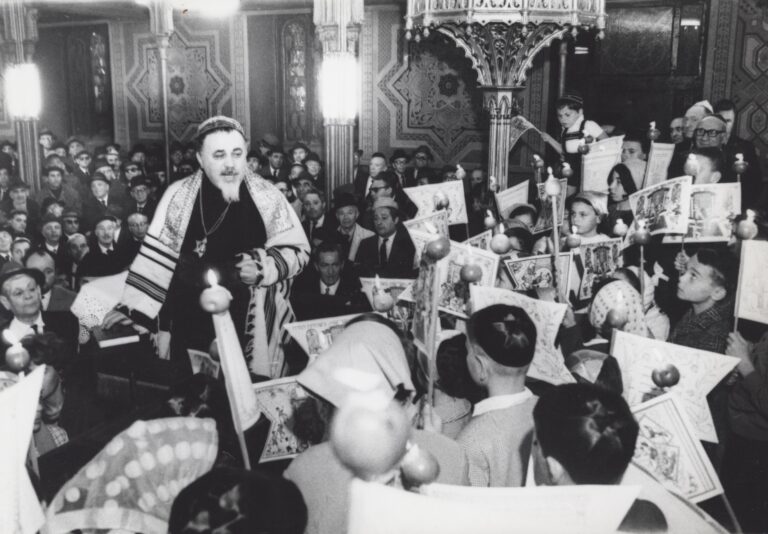
For Simchat Torah, engage in activities honoring the Torah. Organize a mini-procession in your home or yard, with family members holding the Torah and singing traditional songs. A family storytelling session about favorite Torah stories can deepen connections to sacred texts.
Involving family and community amplifies the joy of Shemini Atzeret and Simchat Torah. Invite friends and neighbors for a virtual or in-person gathering to share prayers, songs, and Torah reflections. Sharing a meal, whether potluck or simple gathering, fosters community and togetherness. Include activities for children like Torah-themed crafts or games related to learned stories. Celebrating Shemini Atzeret and Simchat Torah at home can strengthen family bonds and deepen understanding of these important holidays.
Stories of Shemini Atzeret and Simchat Torah


Partners


Give With Confidence


