


The Megillah
(Book of Esther)
The Megillah, or Book of Esther, is the centerpiece of Purim. Set in ancient Persia, it tells a dramatic story of hidden identity, courage, and communal solidarity. Its message reaches beyond its time — that ordinary choices, made with wisdom and resolve, can safeguard a people. The Megillah shapes the rituals and joy of Purim, inviting readers to celebrate the reversal of danger to deliverance and to notice quiet acts of heroism in daily life.
These lessons are a cornerstone of JDC’s century-plus mission — and in the face of rising global antisemitism, the urgent situation in Israel, and the conflict in Ukraine, the Book of Esther is as relevant as it’s ever been.
Celebrate Jewish life around the globe by staying connected to JDC.
What Is The Book of Esther About?
Historical context and significance: The narrative unfolds in the Persian Empire during the reign of King Ahasuerus (often linked to Xerxes I) and reflects Jewish life in exile and under imperial power. Notably, God’s name never appears in the text, yet the story is threaded with hints of divine providence, underscoring the endurance of the Jewish people despite political threats. The Megillah’s Hebrew phrasing, with its repetitions and reversals, underscores how fate can turn in an instant.
Summary of the Book of Esther: Esther, a Jewish woman raised by her cousin Mordechai, becomes queen. When Haman, a high-ranking official, seeks to destroy the Jews after Mordechai refuses to bow to him, Esther risks her life by approaching the king uninvited. Through strategic planning and a series of reversals, Haman’s plot is revealed, and the king authorizes the Jews to defend themselves. Their survival is celebrated annually as Purim, and the Book of Esther is read to commemorate these events.
Key themes and messages: The Megillah amplifies themes of hidden identity, moral courage, responsible leadership, and communal action. It shows how individual choices can shape history and how seeming coincidences may point to deeper purpose. The story urges vigilance against antisemitism and affirms the power of justice and unity, making the Megillah a perennial guide for communities facing uncertainty.
What Do We Do With The Megillah?

Reading the Megillah during Purim: The reading of the Megillah happens publicly twice — once at night and again during the day — traditionally from a handwritten scroll. Blessings are recited before and after, and listeners strive to hear every word, highlighting the communal importance of the narrative. A careful reading of the Megillah is considered a mitzvah that links generations through shared memory.
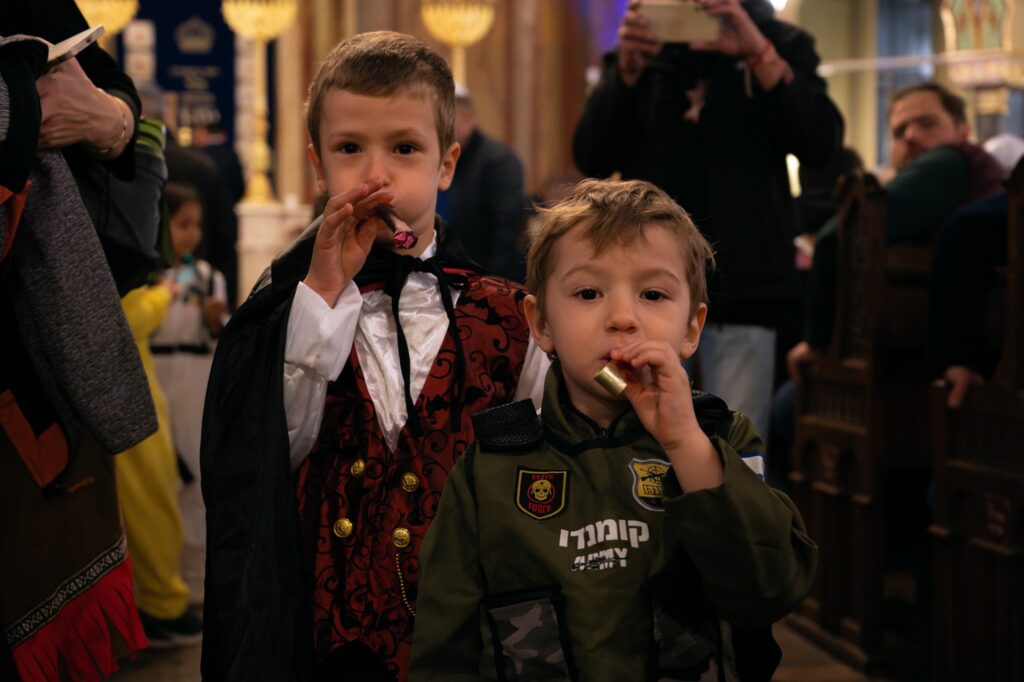
Customs associated with the holiday: Purim traditions include giving gifts of food (mishloach manot), offering charitable donations to those in need (matanot la-evyonim), sharing a festive meal (seudat Purim), and wearing costumes. Many communities use groggers or noisemakers to drown out Haman’s name during the Megillah reading, signaling the rejection of evil as the Book of Esther unfolds aloud.
What Can We Learn From The Book of Esther?

Providence without overt miracles: Though the Megillah contains no explicit miracles, its turning points — like Esther’s ascent to queenship — suggest a subtle guiding hand. Readers are encouraged to notice such moments and to act responsibly within them, a perspective reinforced each year through the reading of the Megillah.
Moral insights from the text: The story champions courage in confronting injustice, strategic advocacy, and generosity toward those in need. It cautions against arrogance and prejudice while elevating humility, truth, and the strength of community. The Book of Esther models how ethical leadership can transform peril into safety.
Courage and identity: Esther’s choice to reveal her Jewish identity and intervene at great personal risk models principled leadership. The Megillah calls on individuals to embrace their values, use influence ethically, and stand with vulnerable communities — transforming fear into action and hope. Returning annually to the Megillah’s Hebrew text during Purim keeps these lessons alive.
Partners


Give With Confidence


