


What Is Tzedakah?
Tzedakah is the Jewish practice of giving that is grounded in justice and responsibility. More than a voluntary donation, it affirms a moral duty to support people in need, strengthen communal life, and advance fairness in society.
Tzedakah spans material aid, acts of kindness, and long-term efforts that reduce poverty and promote dignity. As a cornerstone of Jewish ethics, it links personal generosity with collective impact.
It’s also at the very heart of JDC’s global mission — Jewish giving powers our century-plus work saving Jewish lives and building Jewish life around the world.
Celebrate Jewish life around the globe by staying connected to JDC.
What Is The Cultural Significance of Tzedakah?

Rooted in the Hebrew word tzedek (justice or righteousness), tzedakah frames giving as a moral obligation rather than a discretionary choice. Resources are understood as entrusted to individuals to be used responsibly for the common good. Giving tzedakah reflects values of responsibility and care for one another.
Tzedakah is woven into daily Jewish life. Giving is encouraged at every level, and even small acts matter. Tradition prioritizes support for vulnerable people — such as the poor, widows, orphans, and strangers — reflecting values of compassion, equity, and shared responsibility. Synagogues, schools, and community organizations create structures for tzedakah, making it a collective practice.
Customs like placing coins in tzedakah boxes, dedicating a portion of income to charitable causes, and marking life events with donations highlight its significance. Many experience tzedakah as a path toward spiritual growth, cultivating humility, empathy, and gratitude. Tzedakah boxes in homes, classrooms, and communal spaces help make Jewish giving a daily habit.
What Is The History of Tzedakah?
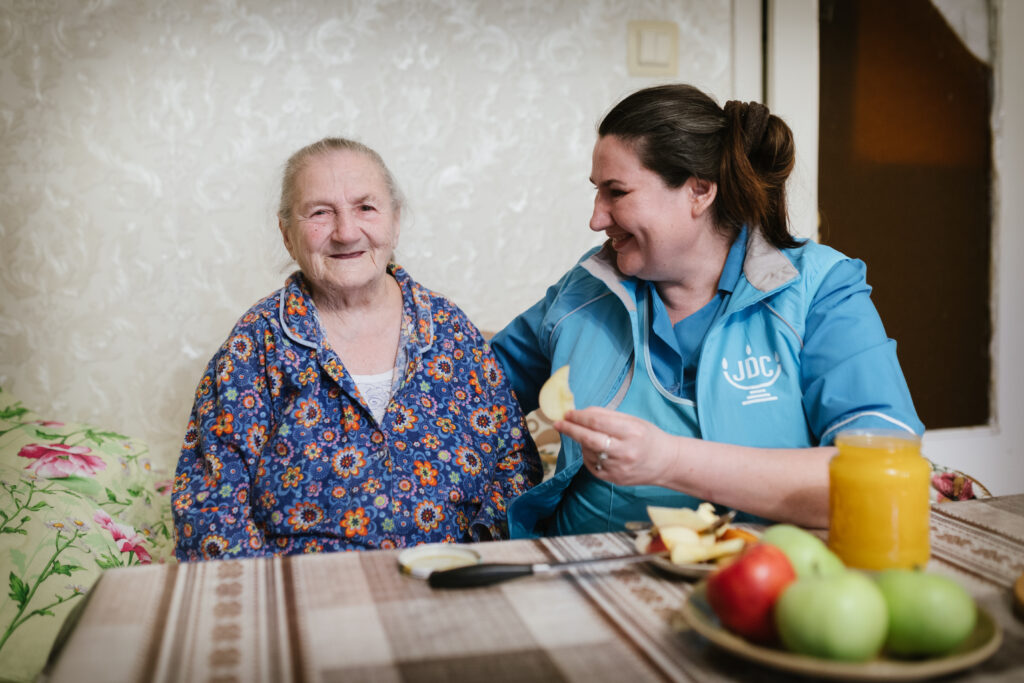
In ancient Israel, laws and customs embedded social equity into everyday life. Biblical mandates such as leaving field corners for the poor (pe’ah), allowing gleaning, and giving tithes (ma’aser) provided safety nets. Sabbatical and jubilee years aimed to reset economic disparities and prevent entrenched poverty.
Over centuries, Jewish communities formed organized systems of tzedakah. Medieval funds supported dowries, medical care, food, and burial needs; responsa literature and communal ordinances guided fair distribution and accountability. In later periods, charity societies (hevrat tzedakah), guilds, and cross-community networks coordinated aid for challenges ranging from migration to disaster relief.
Thinkers and leaders shaped tzedakah’s evolution. Maimonides codified levels of giving, elevating forms that maintain dignity — such as anonymity and enabling self-sufficiency. Rabbis, philanthropists, and organizers established institutions, endowments, and partnerships that adapt to changing needs, including tzedakah boxes that encouraged widespread participation in giving.
What Are the Guidelines for Tzedakah?
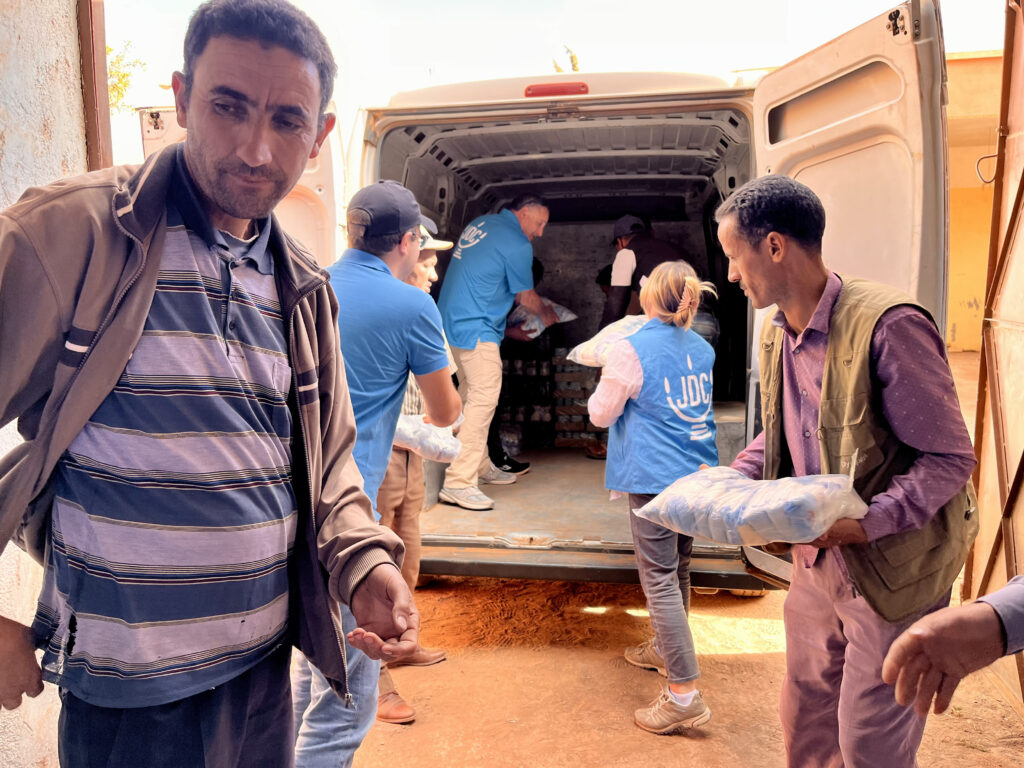
Core texts anchor tzedakah in Jewish law and ethics. The Torah commands care for the poor and the stranger, while the Prophets center justice as a religious duty. Rabbinic sources and halachic codes set expectations for individuals and communities. In the Mishneh Torah, Maimonides outlines guidelines that include prioritizing family and local needs, acting with discretion and respect, and maintaining fairness.
In practice, giving is regular, proportionate, and thoughtful. Many designate a percentage of income — often a tenth — while balancing household needs and communal responsibilities. Donors are encouraged to assess impact, give in ways that preserve dignity, and avoid waste. Transparency, accountability, and equitable distribution are key to proper tzedakah. Different Jewish communities express these principles through their traditions and contexts. Some emphasize detailed halachic guidance and communal funds; others prioritize social justice initiatives, policy advocacy, and inclusive philanthropy. Across approaches, the core remains: prioritize need, act with compassion, and pursue justice. Tzedakah boxes and community funds provide practical tools for giving tzedakah consistently.
What Are Some Effective Ways to Give Tzedakah?
Supporting JDC is one of the most effective ways you can give to your fellow Jews. Through a one-time, tax-deductible donation, you can deliver food, medicine, homecare and other crucial assistance to the world’s most vulnerable Jews. WIth a monthly gift to Jews in need, you can ensure they have a sustainable and ongoing source of unwavering support. You can also dedicate your gift to someone special by donating in honor of a loved one.
Want to inspire others to give? Then start a JDC fundraiser of your choice, providing humanitarian aid to vulnerable Israelis, Jews in Ukraine, or strengthening our global mission. You can also use your bar or bat mitzvah, birthday, wedding, or other special occasion to show up for Jews in need. Other tax-deductible ways to give include planned giving, donor-advised funds (DAFs), and crypto.
Frequently Asked Questions about Tzedakah
What are Maimonides’ levels of tzedakah?
They range from reluctant giving to the highest form — helping someone achieve self-reliance through employment, partnership, or education. Anonymous giving and giving before being asked are highly valued.
Is there a set amount to give?
Can tzedakah include non-monetary aid?
How do communities ensure fair distribution?
Tzedakah Videos
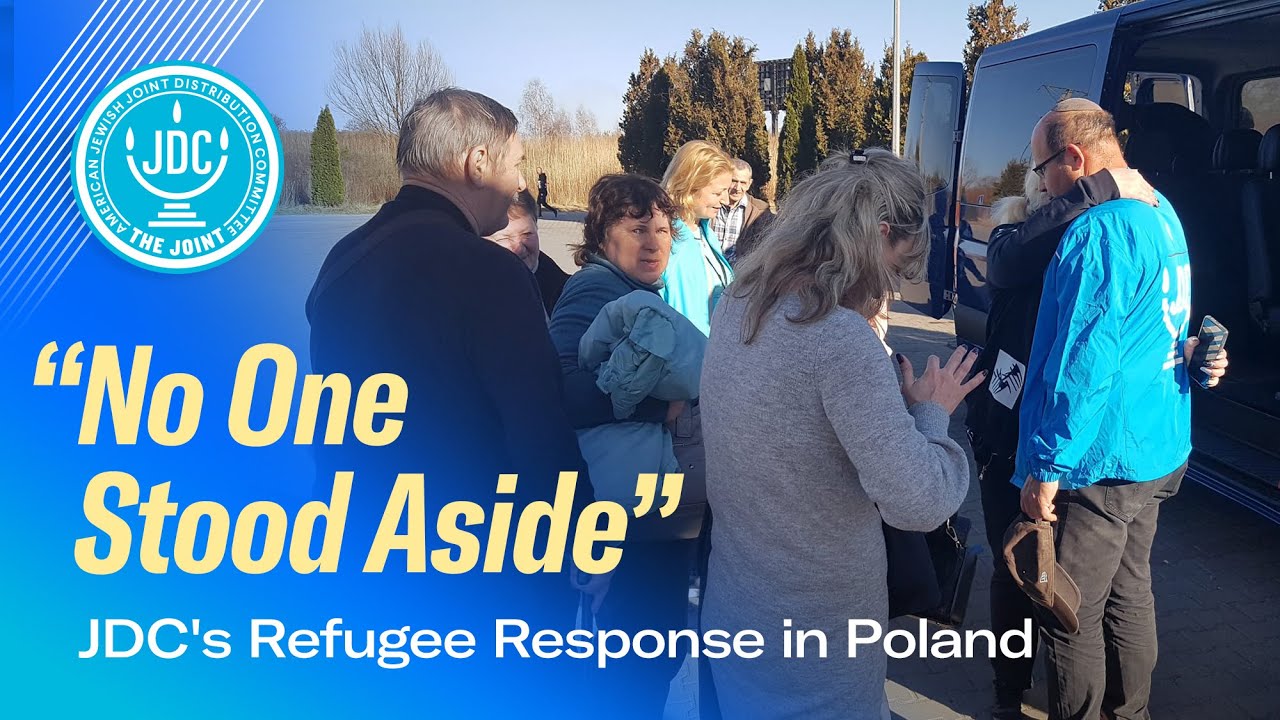
“No One Stood Aside”: JDC’s Refugee Response in Poland
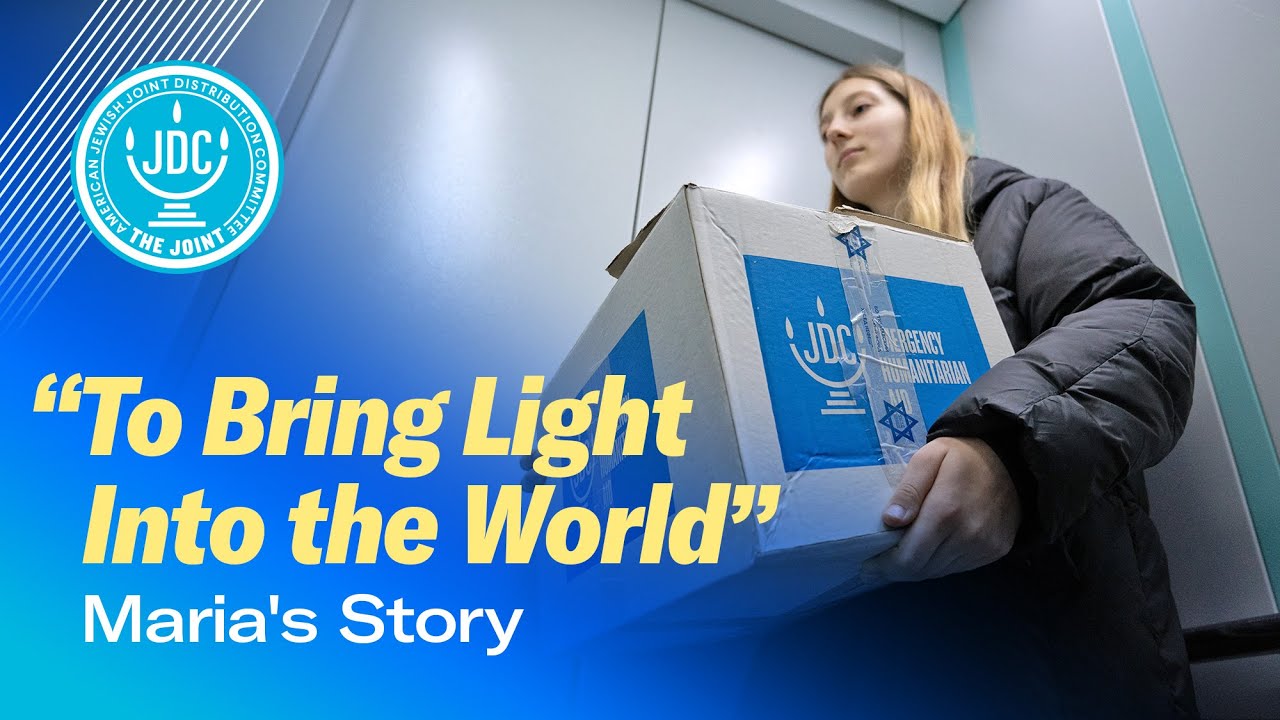
“To Bring Light Into the World”: Maria’s Chanukah Story
“No One Stood Aside”: JDC’s Refugee Response in Poland
Share
“To Bring Light Into the World”: Maria’s Chanukah Story
Share


Partners


Give With Confidence


