


What is Sukkot?
A Guide to the Feast of Booths
Sukkot, also known as the Feast of Booths (or Tabernacles), is a pivotal Jewish holiday celebrating both the harvest season and the Israelites’ historical journey through the desert following their escape from slavery in Egypt.
As an organization dedicated to providing a sense of safety and hope to Jews everywhere, JDC is fueled by the same values that power Sukkot — Jewish unity, strength, and resilience in the face of great challenges.
Let’s dive into exploring Sukkot, its timing, and the unique customs and practices that define this special holiday.
Celebrate Jewish life around the globe by staying connected to JDC.
The Significance of Sukkot
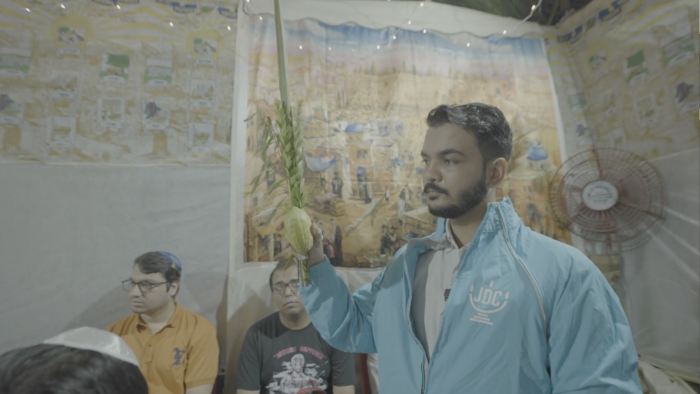
What is Sukkot? Sukkot emphasizes themes of harvest and gratitude, encouraging communities to appreciate nature’s bounty and acknowledge their reliance on divine grace.
This vibrant festival involves the construction of sukkot (temporary shelters or booths, singular: sukkah), which symbolize the booths the Israelites inhabited during their wilderness wanderings. Families gather in their sukkah to share meals, extend hospitality, and celebrate with joy and thanksgiving. Constructed with a roof of natural materials, the sukkah allows those inside to see the stars, serving as a reminder of divine protection and presence.
Sukkot also holds historical significance, marking the agricultural cycle and commemorating the Exodus — a cornerstone event in Jewish history. The holiday prompts reflection on liberation, resilience, and remembrance. As Jewish people observe Sukkot, they connect deeply with their heritage, honoring ancestral struggles and triumphs while fostering hope for the future.
Customs and Practices During Sukkot
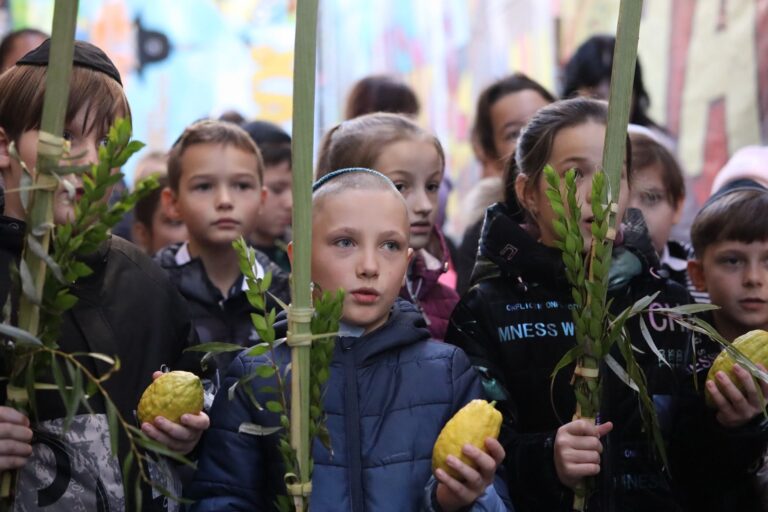
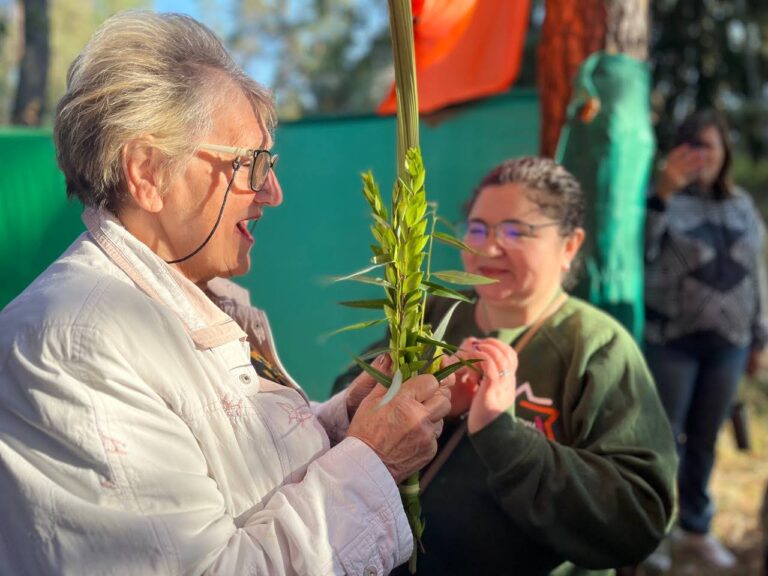
How is Sukkot celebrated? In addition to the building of the sukkah, a key ritual involves the Four Species: etrog (citron), lulav (palm frond), hadas (myrtle branches), and aravah (willow branches). Each species represents different aspects of nature and faith, with the etrog symbolizing the heart and the lulav the spine. Celebrants typically shake the lulav and etrog three times in all directions — forward, right, back, left, up, and down— acknowledging God’s presence everywhere.
While core observances remain consistent, global variations in celebration exist. In Israel, Sukkot is marked with a national spirit, featuring communal events and public celebrations. Jewish communities worldwide may adapt observances based on local customs, sometimes integrating autumn harvest festivals. Regardless of location, Sukkot offers a time for reflection, gratitude, and strengthening communal ties.
When is Sukkot?
Sukkot unfolds five days after Yom Kippur, beginning on the 15th day of the Hebrew month of Tishrei, typically aligning with late September or early October in the Gregorian calendar. The festival spans seven days in Israel and extends to eight days in the rest of the world.
Here are the dates for Sukkot:
- 2025: Sundown on October 6 – Nightfall on October 13
- 2026: Sundown on September 25 – Nightfall on October 2
- 2027: Sundown on October 15 – Nightfall on October 22
- 2028: Sundown on October 4 – Nightfall on October 11
- 2029: Sundown on September 23 – Nightfall on September 30
Sukkot Stories


Other Jewish Holidays
View More
Passover
What is Passover (Pesach)? Learn about its origins, rituals, and cultural significance for Jewish life with our detailed overview.

Tzedakah
Delve into tzedakah: its definition, historical context, and practical applications in today’s society for Jewish giving.

The Megillah (Book of Esther)
Discover the Megillah (Book of Esther) and its themes of courage and identity, central to Purim celebrations and Jewish cultural heritage.


Partners


Give With Confidence


