

“We Are Each Other’s Shelter”: A Sukkot Reflection from Ukraine
For so many Jews in Ukraine, JDC is that source of care, support, and home we celebrate on Sukkot.
By Yulia Andreikovets - IDP Coordinator, Hesed Bnei Azriel; Kyiv, Ukraine | September 25, 2026
Since the Ukraine conflict began more than four and a half years ago, many Jews have fled their towns and cities to find a better life elsewhere across the country. Though they’re officially called “internally displaced persons” (IDPs), to humanitarian aid workers like Yulia Andreikovets, they are the individual men, women, and children she serves on a day-to-day basis — each one with a story and a hope for a better future.
As coordinator for IDPs at the JDC-supported Hesed Bnei Azriel social service center in Kyiv, Andreikovets, 49, is their bridge between the life they left behind and the life they seek to build, helping them receive food, medicine, housing assistance, and more. In this Sukkot reflection, Andreikovets meditates on the image of the sukkah (temporary shelter) and relates it to her work getting IDPs back on their feet.
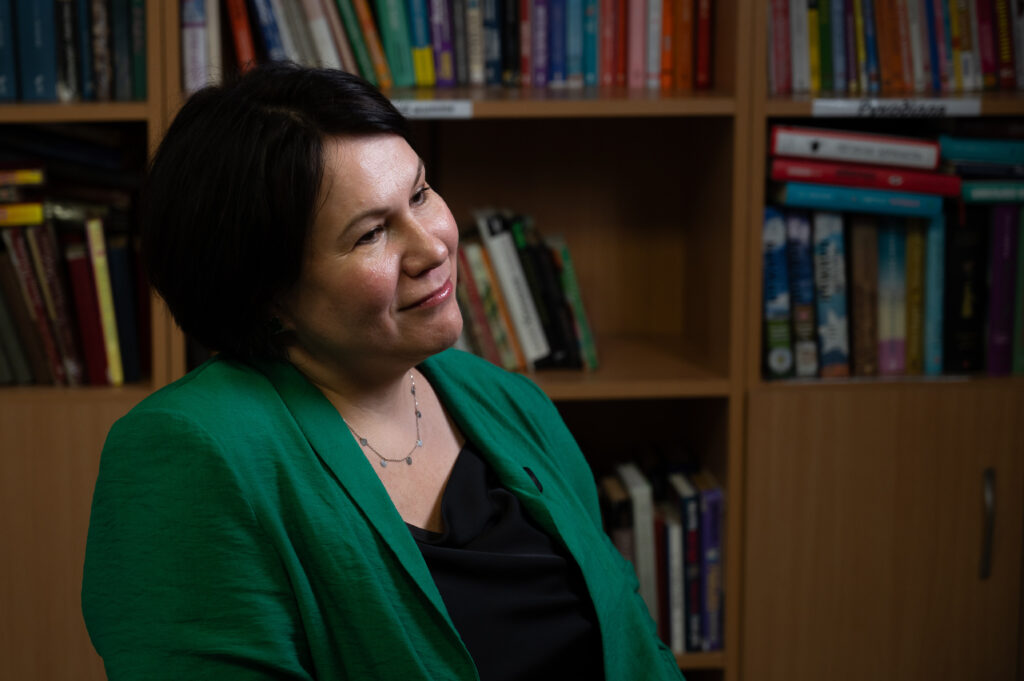
I’m often the first address for Jews seeking safe harbor here in Kyiv. I strive to give them a sense of shelter, and my years of experience have taught me the true meaning of that word.
I’ve been proud to work at the JDC-supported Hesed Bnei Azriel social service center for nearly a decade, and since the first months of this awful situation, I’ve served as coordinator for internally displaced persons (IDPs). From the very moment this role was created, I jumped at the chance, knowing that this was my calling.
Day in and day out, my team provides aid and services to IDPs, securing housing, financial assistance, and a wide range of other resources — food, medicine, mental health support, and more. Our goal is to help them adapt to life in Kyiv as quickly as possible, ensure they can live here comfortably, and assist them in resolving various challenges they and their family members may face.
By the time IDPs first meet with me, they’ve already suffered through perhaps the most harrowing experience they’ll ever have — evacuation, leaving behind their beloved community and relationships forged over decades. They usually come to us either on the recommendation of friends or relatives, or through referrals from their Hesed caseworkers in their hometowns, where they’d been receiving services before they were displaced. They are tired, traumatized, and disoriented. And that’s just stage one of their journey.
The next stage — adaptation— is equally difficult. Adjusting to life in Kyiv can be tricky. Ours is a large, spread-out city with a lot of hustle and bustle, and IDPs from smaller towns often have trouble getting used to the sheer number of people. Add to that the bureaucracy they have to navigate once they’re here and the fact that they likely have no meaningful assets, and their situation is untenable. Some are afraid to even leave their apartments, let alone come to Hesed Bnei Azriel.
That’s why we do our best to make the adjustment period seamless. Whenever possible, we visit IDPs ourselves, wherever they happen to be. We help them get situated, telling them how to get to Hesed, which public transportation to take, where the hospitals are located, and so on. At the same time, we listen to them and provide services tailored to their individual needs.
One challenge IDPs face is employment. Though many of our clients are elderly, a significant amount are of working age, too. Once they arrive in Kyiv, they have lost everything and are in desperate need of income. With so many businesses closed down, finding a job is harder than ever. In this context, we provide financial assistance to those struggling to make ends meet. This relief gives them a sense of security while they look for work and get back on their feet.
Another obstacle is housing. Rents have skyrocketed in recent years, and many landlords are hesitant to accept elderly residents because they don’t see them as financially reliable. Our clients may be bedridden or simply unable to walk, and they desperately need a place to call home. Other clients are families with small children. They may be raising a kid with disabilities; some are single mothers. In short, they have their hands full and little time to simply take a breath, nevermind figure out how to find housing without any savings in an inflated market and a new city.
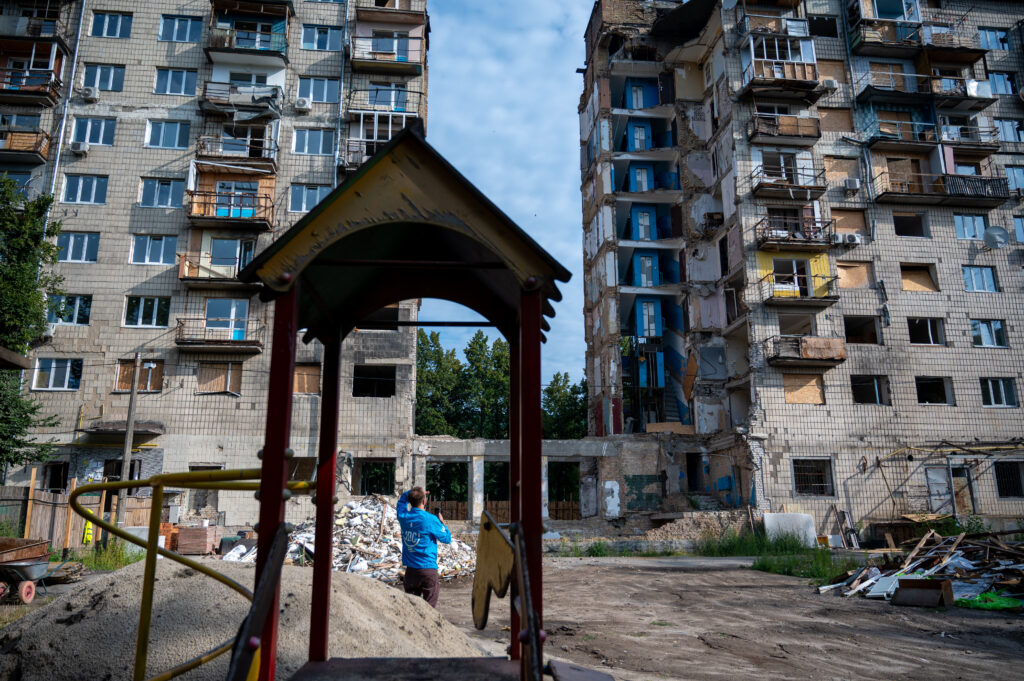
In these trying circumstances, we act as our clients’ champion, protector, and guarantor, reassuring them that we stand behind them and will provide financial and other forms of support. We provide housing assistance so that they and their children have a place to call their own.
But let’s move forward in time and imagine that our clients are now settled; they’ve found employment and have a roof over their head. Our job is done, right?
Well, no. Though IDPs may have left everything behind in their home communities, they gained something else along the way — memories of the horrific experiences they had back in their native cities and on their journey out. Many clients experience panic attacks, insomnia, and other symptoms of trauma. They need to tell their stories and process what they’ve been through with someone who will listen without judgment.
That’s why I connect them with JDC’s local Or Shalom trauma support center, part of a larger network of such centers across Ukraine. When an IDP walks through the doors of Or Shalom, they can meet with our expert team of psychologists who provide counseling free of charge. Working with a trained professional, they come to grips with their past and begin to move forward.
Or Shalom is also a place where IDPs can start to enjoy Jewish life again. At the center, participants can join Shabbat celebrations, holiday gatherings, as well as multi-day retreats where they learn techniques to boost their emotional well-being and prevent burnout. These activities help them integrate into the Jewish community and feel that they aren’t alone.
We’re all facing this conflict together. Before going to bed, I check a map on my phone to see where the news suggests that shelling might take place. If the night is a difficult one, with constant air-raid alerts, I wake up, wait until it’s over, and go to work.
In situations like this, our first priority is to immediately check on our clients. Even in the middle of the night, once you understand where the strikes have hit, your first thought is, “I need to get in touch with everyone and find out how they’re doing.”
Sometimes it feels impossible to go to the office after a sleepless night. But it actually helps, because if you stayed at home, you might just collapse or feel completely overwhelmed. This work helps me navigate beyond that stagnation and despair. Like my clients, I begin to move forward, too.
This work helps me navigate beyond stagnation and despair — like my clients, I begin to move forward, too.
On Sukkot, as Jews everywhere construct their individual sukkahs — literally, “temporary shelters” — and we remember the wandering of the Israelites after they escaped Egypt, I cannot help but consider that sense of shelter JDC is building here in Ukraine for Jewish IDPs. That feeling of transience, of insecurity, that the earth is slipping right beneath one’s feet, is perhaps the most difficult thing they must grapple with. Years after they’ve left their native towns and cities, many still wander their own private deserts.
With JDC’s support, we are giving them shelter. Sukkot reminds us that the true worth of a home isn’t to be found in its roof or walls, but the lengths its residents go for each other— that box of food and medicine delivered to an elderly IDP, that session of counseling for a traumatized youth, a meaningful havdalah celebration organized by JDC volunteers, and so much more.
Whatever’s happening, we face it as one. We are each other’s shelter — a space from which, together, we can gaze at the stars.
Yulia Andreikovets, 49, serves as the coordinator for internally displaced persons (IDPs) at the JDC-supported Hesed Bnei Azriel social service center in Kyiv, Ukraine.
Sign Up for JDC Voices Stories
Share


Share
Partners


Give With Confidence


